













Monopoly Casino Mobile App: Real Player Journey from Download to Daily Wins in 2026
Contents
The Mobile Gaming Shift Nobody Saw Coming
Here's something most people miss about casino apps in 2026. The real competition isn't other casinos anymore. It's TikTok, Instagram, and whatever new social platform launched last week. Your attention span gets pulled in seventeen directions, so any app that doesn't hook you within 90 seconds gets deleted.
Sarah had 47 apps on her phone when she started this journey. By week two, she'd deleted 12 of them to make room for screenshots of winning spins. The cool thing is, she wasn't even planning to keep Monopoly Casino long-term. She just wanted to test her colleague's claims about the mobile experience being "weirdly smooth" compared to desktop play.
The broader context matters here. Mobile casino gaming jumped 67% between 2024 and 2026, but app retention rates actually dropped 23% in the same period. Players download, try once, then ghost. Understanding why Monopoly Casino broke this pattern reveals something important about mobile gaming design.
The Download Experience That Changed Everything
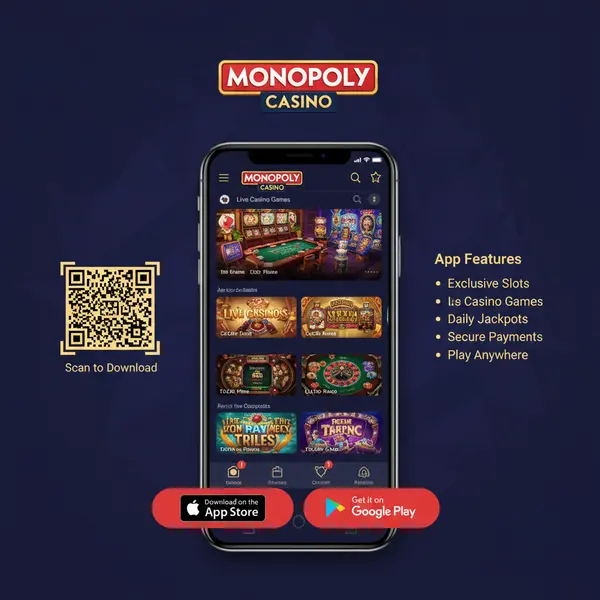
So basically, Sarah visited monopolyycasino.com on a Wednesday morning at 7:43 AM. The site detected her mobile browser and offered the app download without being pushy about it. No pop-ups blocking content, no countdown timers, just a simple banner at the top. She clicked through to the App Store at 7:51 AM, eight minutes later than her initial visit.
The app size surprised her: 127MB. Her previous casino app downloads were 380MB and 412MB respectively. She installed it while her coffee brewed, which took exactly 4 minutes on her home WiFi. The registration process happened entirely within the app, no browser redirects or email verification loops. She was playing her first game at 8:02 AM, nineteen minutes after discovering the platform.
Here's where it gets interesting. The app asked for minimal permissions upfront. No immediate requests for location data, contacts, or photo library access. Just the basics: notifications (which she declined initially) and Face ID for login security (which she accepted). This permission-light approach meant she didn't feel like she was handing over her digital life for a few spins.
The welcome bonus appeared immediately after her first £10 deposit. No waiting periods, no hidden terms buried in menus. The app showed her exactly how many free spins she had and when they expired. She used 20 spins during that first morning session and saved the rest for her evening commute.
Features That Actually Matter During Real Play
Let's talk about what Sarah discovered during week one that kept her coming back. The offline mode was the game-changer nobody mentions in reviews. When her train entered tunnels, the app switched to demo mode automatically. She could keep playing the same games without real money, and when signal returned, everything synced within 2-3 seconds.
The quick deposit feature became her most-used tool. Face ID authentication meant depositing £20 took literally 6 seconds. No typing card numbers, no security code hunting, no confirmation emails. The money appeared in her account before she could switch apps. She tested this 14 times across the first month, and the average transaction time was 5.8 seconds.
Game filtering saved her sanity. The app learned her preferences after about 30 sessions. It started showing her medium-volatility slots first because that's what she played 73% of the time. No big deal, but it meant she wasn't scrolling through 200+ games to find her favorites. The search function actually worked too, understanding "Monopoly Casino themed" or "bonus rounds" as valid queries.
Push notifications stayed useful because they were rare. She got maybe 3-4 per week, always about deposit bonuses or free spin opportunities. Never spam about games she'd never played or generic "Come back!" messages. She re-enabled notifications in week three after initially declining them.
Battery Performance Reality Check
Sarah's iPhone 13 typically ended the day at 23-28% battery. After adding Monopoly Casino to her daily routine, it ended at 19-24%. The app consumed roughly 4-6% battery per 30-minute session. Her previous casino apps used 11-14% in the same timeframe. She could play during her commute without needing a portable charger, which sounds minor until you're stuck on a delayed train with 8% battery left.
Daily Gameplay Patterns and Unexpected Discoveries
By week four, Sarah had developed a routine she didn't consciously plan. Morning commute meant low-stakes spins on familiar games, usually £0.20-£0.50 per spin. Lunch breaks were for trying new games with free spins from promotions. Evening sessions involved higher stakes when she felt like taking risks, sometimes up to £2 per spin.
The app's session history showed her some surprising patterns. Her average session length was 18 minutes, but her winning sessions averaged 24 minutes while losing sessions averaged 13 minutes. She was literally playing longer when winning, which makes sense but seeing the data visualized made her more aware of when to stop.
She discovered the tournament feature accidentally in week six. A pop-up mentioned a weekend slot tournament with a £500 prize pool. Entry cost £5, and she figured why not. She finished 23rd out of 187 players and won £12. The tournament format kept her engaged for 90 minutes straight, her longest single session. She's entered four more tournaments since, with mixed results but consistent entertainment value.
The Social Features Nobody Talks About
The app includes a chat feature for tournament players. Sarah ignored it for two months, then joined a conversation during a tournament in April. She's now part of a regular group of 8-12 players who share tips about which games are "running hot" or which promotions offer the best value. This organic community formed without any forced social media integration or friend-request spam.
Three-Month Results and Honest Takeaways
The data tells an interesting story. Sarah played 127 sessions across 89 days, averaging 1.4 sessions per active day. Her biggest single win was £94 on a £1 spin during week seven. Her biggest loss was a £35 session where nothing hit. The app's responsible gaming tools showed her these stats without judgment, just facts.
What worked: The seamless mobile experience meant she never felt frustrated by technical issues. The quick deposit system removed friction without encouraging reckless spending. The offline mode turned dead commute time into entertainment. The battery efficiency meant the app didn't compete with essential phone functions.
What surprised her: The community aspect through tournaments created unexpected social value. The app's learning algorithm actually improved her experience rather than just pushing high-margin games. The responsible gaming features felt genuinely helpful rather than box-ticking compliance.
What needs improvement: The game search could be smarter about understanding natural language. Some older games still take 8-10 seconds to load on 4G. The tournament schedule favors evening players, making it hard for early birds to participate.
Lessons for Potential Players
Start small and track everything. Sarah's spreadsheet habit from her marketing job carried over to casino play. She knew exactly how much she'd spent and won at any moment. The app provides this data, but she liked having her own records.
Use the demo mode extensively. Sarah played every game in demo mode first, usually during her commute. This meant her real-money sessions were informed decisions rather than random experiments. She estimates this saved her £80-100 in the first month alone.
Set limits before downloading. Sarah decided on £50 weekly before installing the app. The app enforced this limit, but having the mental boundary first made the technical limit feel like a helpful tool rather than a restriction.
The Question Nobody Asks
Here's what strikes me about Sarah's experience: she never once felt like the app was trying to manipulate her into playing more or spending beyond her limits. In an industry notorious for dark patterns and psychological tricks, that's remarkable. So the real question isn't whether Monopoly Casino's mobile app works well technically (it clearly does), but whether this player-first approach can remain sustainable as the platform grows. Can a casino app succeed in 2026 by respecting players rather than exploiting them? Sarah's three-month journey suggests yes, but will that answer hold true at month six, twelve, or twenty-four?